
The Experimental Pharmacology and Toxicology Laboratory
The ExPT Lab investigates mechanisms of disease and effects of treatment modalities. We also have a specific focus on the role of redox imbalance/oxidative stress in health and disease. Defined as a disruption in cellular redox homeostasis, oxidative stress arises during processes such as development, aging, and inflammation, and has been closely linked to chronic conditions such as atherosclerosis, liver steatosis, diabetes, and cancer. By studying these mechanisms, we wish to understand how redox status may shape disease progression and how interventions may alleviate.
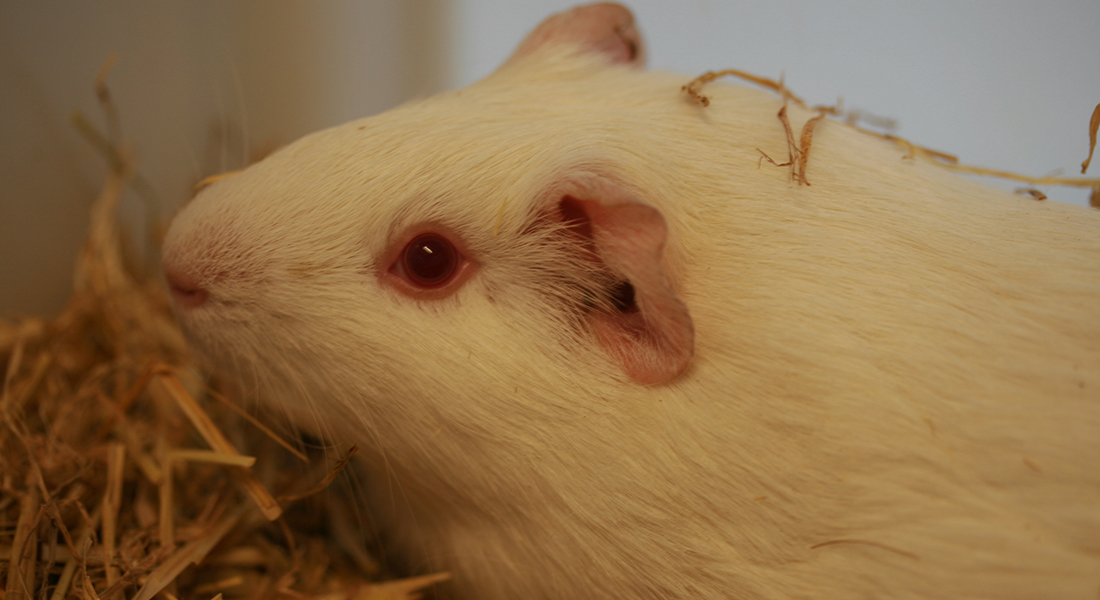
Our research places particular emphasis on models of human disease, with a strong focus on experimental animals while also exploring alternatives to in vivo approaches. Through these complementary strategies, we examine the pharmacological and toxicological effects of bioactive compounds and identify biomarkers that can serve as indicators of disease. This integrative approach allows us to bridge fundamental science (i.e. pharmacology, pathology and functional outcomes) with clinical relevance.
In ExPT Lab we strive to apply our research in paving the way for improved prevention strategies and innovative pharmacotherapies. Current projects range from investigating impaired development, chronic diseases such as metabolic dysfunction associated liver disease, diabetes and cardiovascular disease, and pharmacology and toxicology of treatments.
A main research focus is the study of steatotic liver disease (MASLD/MASH) and the progression of hepatic fibrosis. For this we have developed and validated the guinea pig model with a unique and high translational potential to human patients, particularly within hepatic histopathological phenotype including liver fibrosis, and disease-associated transcriptome. In addition, we have explored and validated the guinea pig as model of juvenile MASH, for the study of parameters of pediatric disease.
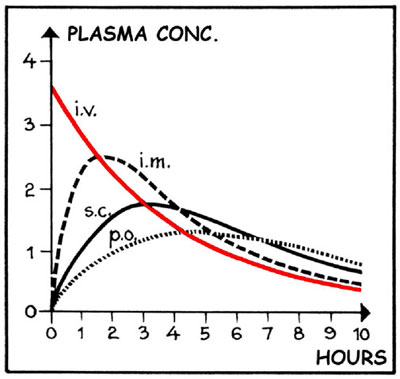
We have a fundamental interest in pharmacokinetic and -dynamic models.
Projects include the non-linear absorption, distribution and elimination of vitamin C, Pharmacokinetics and dynamics of biopharmaceuticals in vivo as well as in vivo toxicology of pharmacological compounds. In addition, assessment and screening of pharmacological and toxicological profiles in vitro – e.g. whole tissue and cell culture – is part of our analytical platform.
A major focus, involving many both internal and external projects, is the study of the molecular, pathological and functional consequences of marginal (subclinical) vitamin C deficiency - as opposed to chronic severe vitamin C deficiency that inevitably leads to scurvy. We are also interested in the pharmacology – i.e. the adsorption, distribution, metabolism and excretion – of vitamin C.
The condition is common in humans but has been given little attention in the literature despite overwhelming epidemiological evidence of its consistent association with increased morbidity and mortality. Primary areas of interests include cancer, cardiovascular disease, brain and early life development.
Among the world leading labs in this particular field, we participate in many national and international experimental and clinical studies.
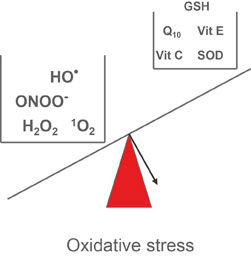 These projects involve development and validation of biomarkers of oxidative stress in the vasculature in a variety of species (mice, rats, guinea pigs, dogs, pigs, humans) as well as testing drugs and drug candidates in animal models of disease.
Particular emphasis is on oxidative stress in conditions related to the metabolic syndrome cluster (liver steatosis and associated dysfunction, cardiovascular disease) and diabetes. Again, both animal models and human studies are carried out with special focus on translational aspects including characterization of model validity.
Group members
| Name | Title | Phone | |
|---|---|---|---|
| Search in Name | Search in Title | Search in Phone | |
| Charlotte Winberg Larsen | Attendant | +4535333165 | |
| Jens Lykkesfeldt | Professor | +4535333163 | |
| Josephine Skat-Rørdam | Postdoc | +4535330210 | |
| Marie Høy Hansen | PhD Fellow | +4535325883 | |
| Pernille Tveden-Nyborg | Professor | +4535333167 | |
| Peter Madelung | Research Consultant | +4535329610 |
Contact
 Group leader
Professor Pernille Tveden-Nyborg
Phone: +45 35 33 31 67
ptn@sund.ku.dk
Secretariat
Helle Vinberg
Phone: +45 35 33 27 08
Graduate Programme for Preclinical In Vivo Research
Experimental Pharmacology and Toxicology Lab is home to the Graduate Programme for Preclinical In Vivo Research (www.invivofarm.dk ).
